
Top 10 Reasons Mead Beats Wine and Beer in Flavor Health and History

Mead has been hiding in plain sight. Wine gets the candlelit dinners. Beer gets the backyard cooler. Mead, meanwhile, walks in with honey, history, and a flavor range that can swing from crisp and sparkling to dark, spiced, and dessert-worthy.
If you still think mead is just “sweet medieval wine,” the next glass may wreck that assumption in the best way. Mead can be dry, tart, smoky, floral, fruity, earthy, or fizzy. It can drink like a white wine, a cider, a cocktail, a saison, or something that has no perfect comparison.
Here are the top 10 reasons mead deserves a bigger spot next to wine and beer.

Mead wins because it refuses to fit in one box
Wine comes from grapes. Beer comes from grain. Mead starts with honey, and that one difference changes almost everything.
Honey carries the character of the flowers bees visit. Clover honey can taste soft and clean. Orange blossom honey can feel citrusy and perfumed. Buckwheat honey can taste dark, earthy, and almost molasses-like. Ferment that honey, and the result can feel familiar one second and completely new the next.
That is the first big surprise. Mead is not one drink. It is a whole category.
1. Mead has a flavor range wine and beer struggle to match
Wine has terroir. Beer has malt and hops. Mead has honey, fruit, spice, herbs, oak, yeast, and time.
A traditional mead may taste like wildflowers, baked pear, citrus peel, or fresh bread. A melomel, which is mead made with fruit, can bring in raspberry, cherry, blackberry, peach, or blueberry. A metheglin, made with spices or herbs, might taste like ginger, cinnamon, lavender, rosemary, or chai.
That range makes mead wildly flexible. A dry sparkling mead can feel bright and refreshing. A rich, still mead can feel slow and golden, almost like a dessert wine. A barrel-aged mead can bring vanilla, toasted wood, and soft warmth.
One mead enthusiast put it perfectly in a tasting-room comment that stuck with me:
“I expected honey syrup. I got something closer to white wine, cider, and a cocktail all arguing in the same glass.”
That is the fun of mead. It keeps moving.
2. Mead can be dry, sweet, sparkling, still, light, or strong
One of the biggest myths about mead is that it must be sugary. Some meads are sweet, sure. Many are not.
Mead can land almost anywhere on the spectrum:
Dry mead
Crisp, clean, and food-friendly
Semi-sweet mead
Balanced, round, and easy to sip
Dessert mead
Rich, honeyed, and intense
Sparkling mead
Bubbly, bright, and great chilled
Hydromel
Lower in alcohol, often lighter and more refreshing
Sack mead
Higher in alcohol, fuller, and more warming
That gives mead an edge over beer and wine for curious drinkers. It can fill the role of either, then step into spaces neither one covers well.
3. Mead pairs with food in sneaky, brilliant ways
Wine pairing can feel fussy. Beer pairing can lean heavy. Mead can play both sides.
Dry mead works beautifully with roasted chicken, seafood, goat cheese, salads, and spicy food. Berry mead loves barbecue, duck, pork, and chocolate. Spiced mead can match holiday meals, curries, stews, and baked desserts.
Honey brings a natural bridge between savory, salty, spicy, and sweet flavors. That makes mead especially good with foods that can bully wine.
Try these easy pairings:
Mead style | Try it with |
Dry traditional mead | Roast chicken, brie, grilled shrimp |
Sparkling mead | Sushi, fried chicken, soft cheeses |
Berry melomel | Barbecue ribs, duck, dark chocolate |
Spiced metheglin | Curry, ginger cookies, glazed ham |
Barrel-aged mead | Steak, blue cheese, pecan pie |
The best part is that mead does not demand perfection. If the pairing sounds good, it probably is.

Mead carries more history than its quiet reputation suggests
Mead may feel trendy now, but it is one of the oldest fermented drinks people have made. Long before modern breweries and vineyards became household names, honey, water, and wild fermentation gave early communities something celebratory, warming, and special.
Ancient cultures across Europe, Africa, and Asia made honey-based fermented drinks. Mead appears in Norse stories, Celtic traditions, Greek references, and medieval feasts. The word “honeymoon” is often linked in popular tradition to honey wine enjoyed after marriage, though the exact history is more complicated than the legend.
Either way, mead has old magic around it.
4. Mead is the drink of warriors, poets, farmers, and feast tables
Wine often carries an image of vineyards and cellars. Beer brings pubs, taverns, and breweries. Mead feels older and wilder.
It belongs beside firelight, harvests, weddings, long tables, and storytelling. That may sound romantic, but the history is practical too. Honey keeps well. It was valuable. Fermenting it turned a prized ingredient into something communal and lasting.
That gives mead a story before the first sip. A glass of mead is not just another alcoholic drink. It connects to a time when fermentation was seasonal, local, and tied to survival as much as celebration.
5. Mead has a comeback story worth cheering for
For a long time, mead sat in the background while beer and wine dominated store shelves. Now small meaderies have helped bring it back. Modern makers treat mead with the same care that winemakers and brewers bring to their craft.
They use single-origin honey. They test yeast strains. They age meads in barrels. They blend fruit, spice, and acidity with precision. They make canned session meads for casual drinking and elegant bottles for special occasions.
That comeback matters because mead still feels personal. Many mead fans remember the first bottle that changed their mind.
A common testimonial sounds like this:
“I bought one bottle as a novelty. Six months later, I was planning snacks around a blackberry mead and telling everyone to stop sleeping on it.”
That is how mead spreads. One surprised drinker at a time.
6. Mead tastes closer to nature without tasting simple
Honey is not plain sugar. It can carry floral, herbal, fruity, mineral, and earthy notes. That gives mead a natural depth before fruit or spice ever enters the picture.
Beer gets much of its character from malt, hops, and yeast. Wine gets its identity from grapes, climate, soil, and cellar choices. Mead gets a strong fingerprint from the honey itself.
That means a mead made with wildflower honey may taste different from one made with tupelo or orange blossom honey. The difference can be subtle or dramatic. For anyone who enjoys noticing flavors, mead offers a new map.
It rewards slow sipping, but it also works when chilled, poured, and shared without ceremony.

Mead may fit some wellness-minded drinkers better than beer or wine
Let’s be clear. Mead is alcohol, and alcohol comes with health risks. Drinking less is safer than drinking more. Nothing here is medical advice, and mead should not be treated as a health product.
That said, people often ask how mead compares with wine and beer from a wellness angle. The answer depends on the style, alcohol level, sweetness, serving size, and ingredients.
7. Mead is often naturally gluten-free
Traditional mead is made from honey, water, and yeast. That usually makes it naturally gluten-free, unlike most beer, which is made from barley, wheat, or rye.
This is one reason some beer lovers who avoid gluten get excited about mead. It can give them a complex fermented drink without grain.
That does not mean every bottle is safe for every person with gluten sensitivity or celiac disease. Some meads may include added ingredients or be made in shared facilities. Always check the label or ask the maker.
Still, compared with beer, mead has a clear advantage here.
8. Mead can be lower in alcohol if you choose the right style
Mead has a reputation for being strong, and some bottles are. Yet lighter hydromels can sit closer to beer or cider strength. Sparkling session meads can feel refreshing instead of heavy.
That gives moderation-minded drinkers more room to choose. A lower-alcohol mead can offer flavor without the weight of a strong wine or big beer.
The key is to read the label. Alcohol by volume varies a lot in mead, just as it does in beer and wine.
9. Mead may have fewer additives, depending on the producer
Many small mead makers focus on simple ingredients. Honey, water, yeast, fruit, spices, and time can make a beautiful drink.
Some drinkers also seek out mead because they want an alternative to certain commercial wines or flavored beers that may contain more processing aids, sweeteners, or additives. This varies widely, so it is not fair to claim all mead is “cleaner” than all wine or beer.
A better way to say it is this: mead makes it easy to find producers who care about ingredient transparency. If that matters, mead is worth exploring.
As for nutrients, honey contains trace compounds, and some fermented drinks may contain polyphenols or antioxidant activity. But fermentation, filtration, dilution, and serving size all affect what remains in the glass. Enjoy mead for pleasure first, not as a wellness shortcut.
Mead wins the experience test because it feels new and ancient at once
The best drinks create a moment. Wine can do that. Beer can too. Mead does it in a way that catches people off guard.
10. Mead turns a tasting into a conversation
Open a bottle of wine, and people may ask about the grape. Open a beer, and they may ask about hops. Open a mead, and someone almost always says, “Wait, what exactly is mead?”
That question is the start of the fun.
Mead invites curiosity. It gets people comparing flavors. Someone tastes flowers. Someone else gets apple skin, ginger, tea, peach, or vanilla. A person who “doesn’t like beer” may enjoy a dry berry mead. A wine drinker may fall for a sparkling traditional mead. A cocktail fan may love a spiced version over ice.
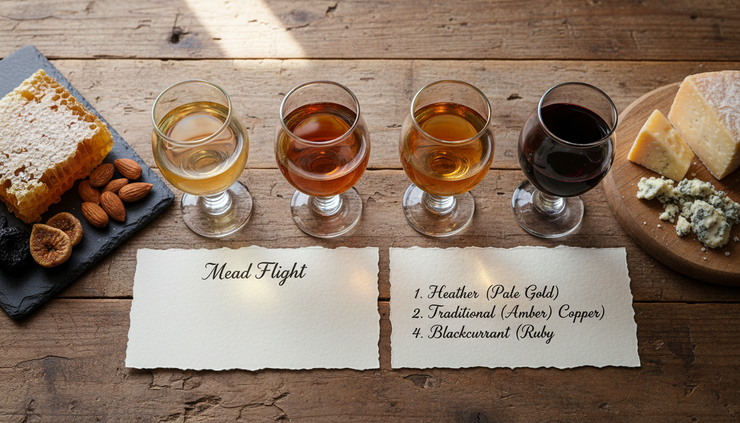
Here is a simple tasting path for a first mead night:
Start with a chilled dry traditional mead.
Pour a sparkling mead next.
Move to a fruit mead.
Finish with a spiced or barrel-aged mead.
Taste each one with cheese, nuts, fruit, and something salty.
That small lineup shows why mead is hard to compare directly with wine or beer. It borrows a little from both worlds, then becomes its own thing.
Mead, wine, and beer each have a place, but mead deserves the next pour
Wine still shines with elegance, acidity, and grape-driven depth. Beer still owns the world of hops, malt, and everyday refreshment. Mead does not need to erase either one.
It beats them when the goal is surprise.
Mead brings honey’s floral complexity, a massive range of styles, deep historical roots, and a sense of discovery that many familiar drinks have lost. It can be dry enough for dinner, sweet enough for dessert, light enough for a sunny afternoon, or bold enough for a winter night.
If the last bottle of mead you tried tasted too sweet, try again. Choose a dry traditional mead, a crisp sparkling hydromel, or a tart berry melomel. If you usually drink beer, start with something carbonated and lower in alcohol. If you love wine, start with a still dry mead and serve it chilled.
The real reason mead wins is simple: it makes drinking feel curious again. And that is worth raising a glass to.


Comments